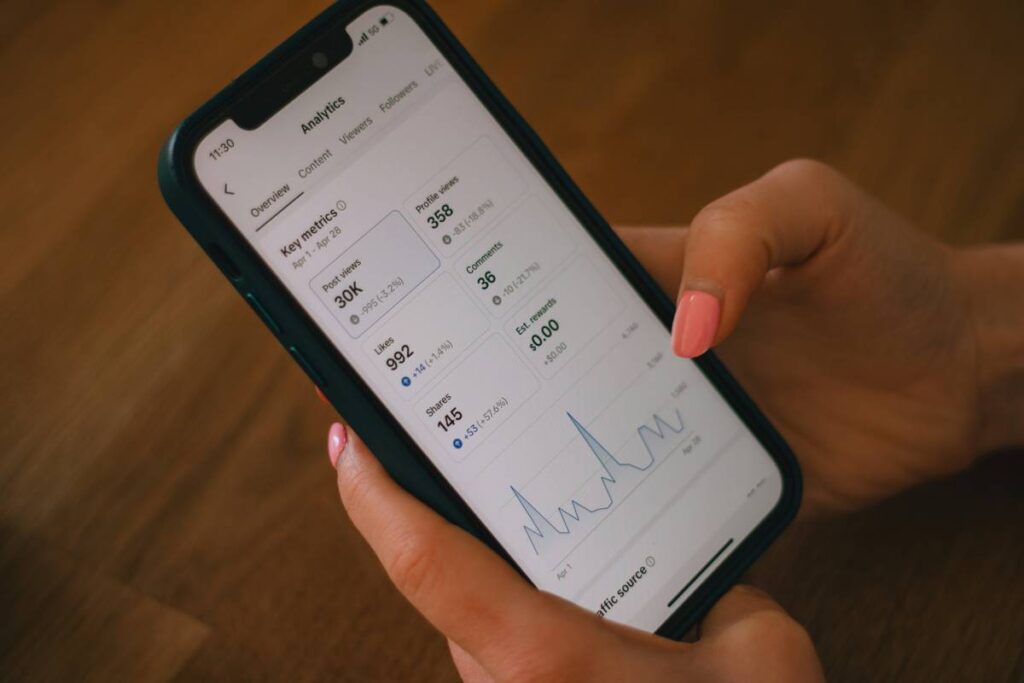
Your sales team is drowning in missed opportunities—but you can’t see them. Every untracked call leaks revenue, distorts forecasting, and masks broken funnels. Inbound call analytics for companies isn’t just data—it’s your missing revenue radar.
Why Your Current Call Tracking Is Failing You
Most businesses slap on a basic call tracker and call it a day. Big mistake. Those tools only log duration and time—not intent, source quality, or conversion risk. You’re flying blind.
And worse? You’re attributing calls to the wrong campaigns. A lead clicks your LinkedIn ad, then Google Search three days later—and calls from the latter. Your “cheap” PPC channel gets false credit. The math is simple: garbage attribution = wasted ad spend.
How to Implement Inbound Call Analytics That Actually Works
Forget vanity metrics. Real call intelligence links voice interactions to revenue outcomes. Here’s how to build it right:
Step 1: Tag Every Call Source Dynamically
Use dynamic number insertion (DNI) so each traffic source—paid search, organic, email—gets a unique number. No shared pool numbers. Ever.
Step 2: Transcribe & Analyze Conversation Content
AI transcription alone isn’t enough. Layer in sentiment scoring and keyword triggers (“pricing,” “competitor name,” “demo request”) to flag hot leads instantly.
Step 3: Sync Call Data Directly to Your CRM
If your call platform doesn’t push records into Salesforce or HubSpot with full context, you’re creating data silos. Demand two-way sync.
| Feature | Basic Call Tracker | Advanced Inbound Call Analytics |
|---|---|---|
| Source Attribution | Static numbers (all channels share one) | Dynamic numbers per campaign/channel |
| Conversation Insights | None | Transcripts + intent keywords + sentiment |
| CRM Integration | Manual export or none | Real-time bi-directional sync |
| Cost per Month (Est.) | $20–$50 | $150–$500+ |
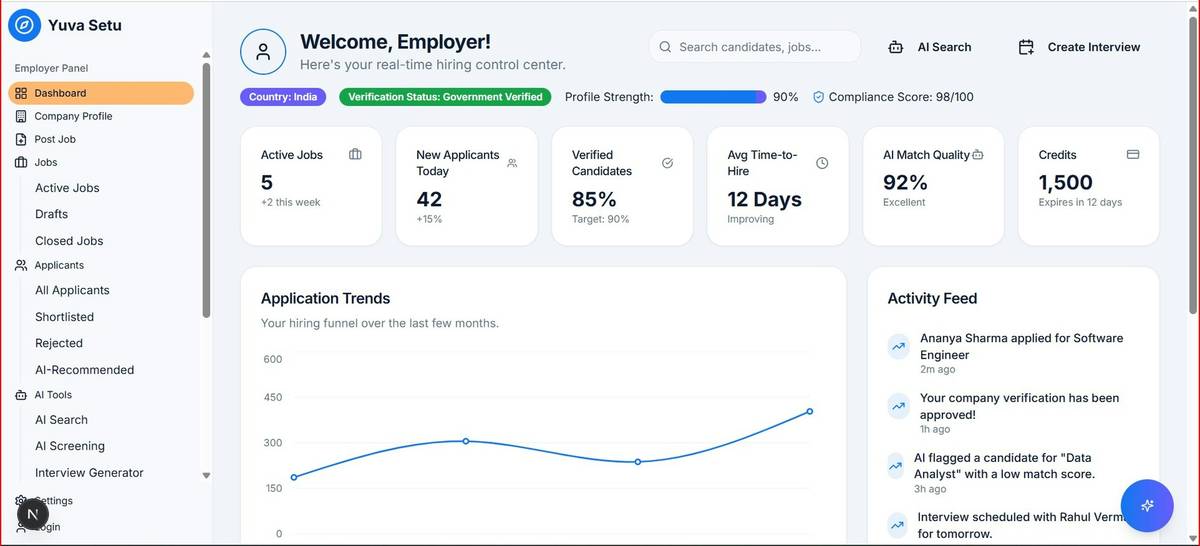
The Industry Secret: Most “Analytics” Ignore Call Quality—Not Just Quantity
Here’s what vendors won’t tell you: volume means nothing if reps mishandle qualified calls. One overlooked pattern? High-intent callers who say “I saw your ad” but hear generic scripts. They bounce.
We audited a B2B SaaS client—42% of their “sales-ready” calls never mentioned pricing because reps avoided it. Their analytics showed high call volume. Reality? Missed revenue. True inbound call analytics for companies must evaluate rep performance against caller intent—not just log rings.
Frequently Asked Questions
What data should inbound call analytics track?
Source, caller intent keywords, sentiment, agent handling time, and CRM outcome (e.g., deal created, disqualified). Skip duration-only logs—they’re useless.
Can small businesses afford advanced call analytics?
Yes. Tiered platforms like AudienceTix start under $100/month. If you spend $500+ monthly on ads driving calls, analytics pays for itself fast.
How quickly can I see ROI from call analytics?
Within 14 days. Fix one broken ad-to-call handoff or recover one lost lead segment—boom, positive ROI. It’s faster than most SaaS tools.