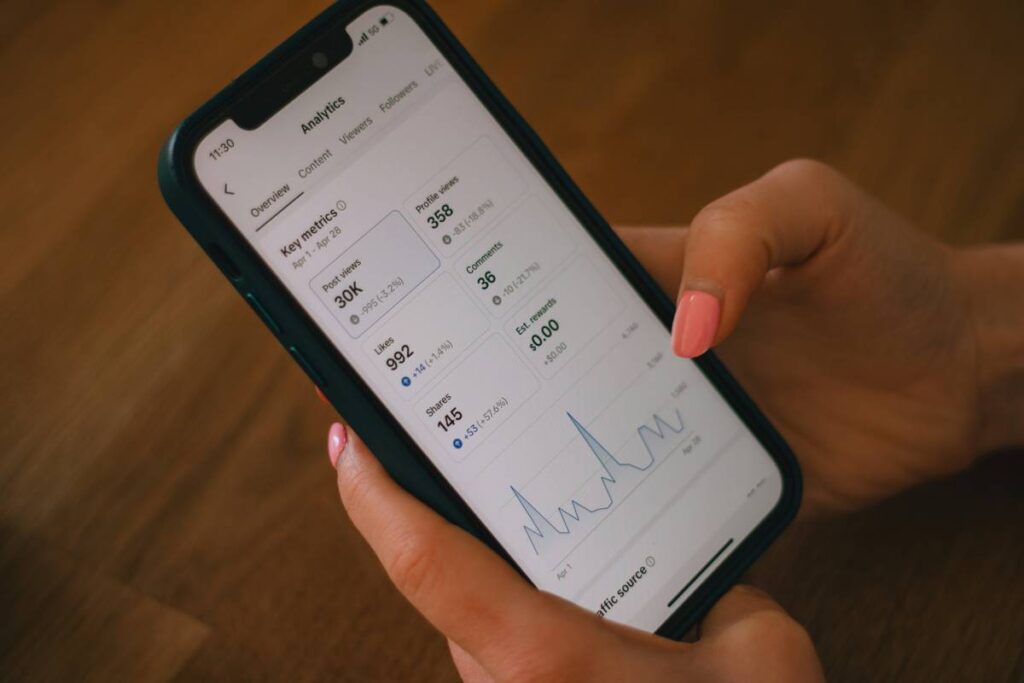
You’re spending thousands on ads. Your landing pages are polished. But your phone isn’t ringing—or worse, it is, and you’re still not closing. Business phone call conversion rates remain the silent profit leak most companies ignore until it’s too late. The solution? Stop treating calls like afterthoughts. Start tracking, analyzing, and optimizing them like revenue channels—which they absolutely are.
Why Most Businesses Fail to Move the Needle on Call Conversion Rates
They record calls. Maybe even transcribe them. Then what? File them away like digital fossils. Here’s the reality: passive logging ≠ actionable intelligence. Without structured call analytics tied directly to outcomes—sales, demos booked, support escalations—you’re flying blind. And that “trained” sales team? If they’re not coached using real call data segmented by win/loss patterns, their scripts are just theater.
Worse, many CRMs treat calls as binary events: “answered” or “missed.” That’s like judging a novel by whether the cover was opened. The nuance—tone, objection handling speed, hold time, post-call follow-up latency—is where conversion lives. Or dies.
Optimizing Business Phone Call Conversion Rates: A Tactical Framework
Forget vague best practices. This is how performance-driven teams actually move the metric:
Map Every Call to a Concrete Outcome
Tag calls by intent (inbound sales, support renewal, lead qualification) and result (converted, lost-to-competitor, callback scheduled). No outcome = no insight. Period.
Measure Micro-Metrics That Predict Macro Wins
Average handle time matters less than “time to value”—how quickly the rep identifies the prospect’s pain point. Top performers do it in under 60 seconds. Track it.
Leverage AI—But Only for Signal Extraction
AI transcription is table stakes. What separates winners? Using AI to flag emotional inflection points, competitor mentions, or pricing objections—then feeding those insights into live coaching workflows.
| Tracking Method | Cost Range (Monthly) | Impact on Business Phone Call Conversion Rates | Time to Value |
|---|---|---|---|
| Manual Call Logging | $0–$50 | Negligible (human error, low consistency) | Never |
| Basic CRM Integration | $50–$200 | Moderate (tracks duration, source) | 4–6 weeks |
| AI-Powered Call Analytics Platform | $300–$1,500+ | High (identifies behavioral conversion triggers) | 7–14 days |
| Dedicated Revenue Operations Stack | $2,000+ | Transformative (closed-loop attribution + coaching) | 3–4 weeks |

The Industry Secret Nobody Admits: It’s Not About More Calls
Here’s what the top 5% of B2B teams know—and won’t say out loud: chasing higher call volume often lowers conversion rates. Why? Because unqualified traffic floods reps with tire-kickers, diluting focus and skewing performance metrics. The real leverage point? Call quality filtering at the routing layer. Use IVR or conversational AI to triage callers based on pre-call signals (UTM parameters, form fills, page depth)—then route only high-intent prospects to AEs. One SaaS client cut inbound call volume by 32% but saw conversion rates jump 22% in eight weeks. They stopped chasing noise. Started capturing signal.
And yes—it requires killing vanity metrics. Tough? Absolutely. Profitable? Undeniably.

Frequently Asked Questions
What is a good business phone call conversion rate?
For inbound sales calls, 20–35% is strong. Support-to-sales handoffs should hit 10–15%. Anything below 15% demands immediate process review—not more training.
How quickly can call analytics improve conversions?
With AI-powered platforms, teams see measurable lifts in 10–14 days. The bottleneck isn’t tech—it’s willingness to act on uncomfortable truths in the data.
Do small businesses benefit from call conversion tracking?
More than enterprises. With fewer calls, every conversation carries disproportionate weight. Missing one pattern means losing 5% of monthly pipeline—not 0.5%.