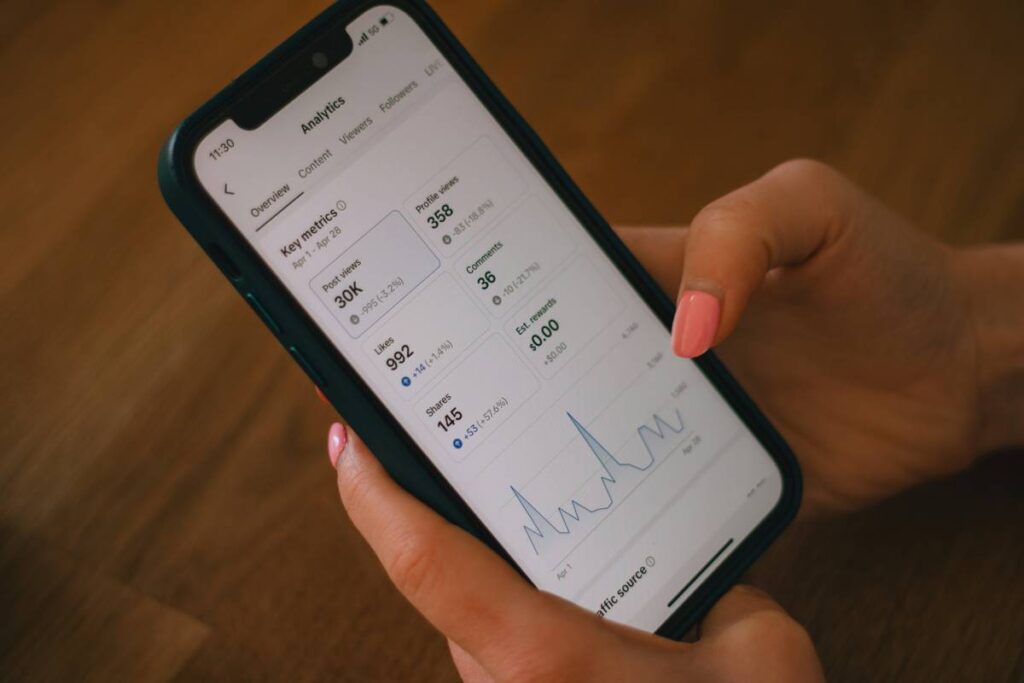
Most businesses treat phone calls like background noise—answered, logged, forgotten. But every missed connection, every long hold time, every frustrated caller is silently eroding your revenue. And it’s not just about volume. Without clear call efficiency metrics for business, you’re flying blind while competitors optimize in real time.
Why Traditional Call Tracking Fails Modern Businesses
Legacy systems count calls. That’s it. They give you a number—“247 calls this week”—and call it insight. Useless.
Real performance isn’t measured by how many calls you get, but by how effectively you *convert* them. Yet most CRMs and PBX dashboards bury actionable data under layers of vanity stats: average duration, total inbound, peak hours. Noise.
Here’s the reality: A 5-minute call that ends in a $10K sale beats ten 2-minute ghost calls any day. But if your analytics can’t tie outcomes to agent behavior or campaign source, you’re optimizing the wrong thing.
How to Measure & Improve Call Efficiency Metrics for Business
Start with Outcome-Aligned KPIs
Ditch “calls per hour.” Track conversion rate per agent, first-call resolution, and post-call action completion. If your sales team books demos but never follows up, no amount of call volume fixes that leak.
Map Calls to Revenue Streams
Tag calls by marketing source—not just “Google Ads,” but “Google Ads – Retargeting – Product X.” Then correlate with closed deals. Suddenly, you’ll see which channels deliver qualified buyers, not just loud ringers.
Use AI-Powered Conversation Intelligence
Modern tools transcribe, analyze sentiment, and flag key moments (“pricing objection,” “competitor mention”) without manual review. This isn’t sci-fi—it’s table stakes for teams scaling past 20 reps.
| Metric | What It Measures | Target Benchmark | Tool Type Needed |
|---|---|---|---|
| Call-to-Conversion Rate | % of calls resulting in sale/demo/lead qualification | 15–30% (sales), 40–60% (support) | CRM + Conversation AI |
| First-Call Resolution (FCR) | Issue resolved without transfer or callback | >75% | Support ticketing + call log sync |
| Agent Talk-to-Listen Ratio | Balance of speaking vs. active listening | Ideal: 40/60 (listen more!) | Speech analytics platform |
| Post-Call Action Rate | % of calls followed by scheduled next step | >80% | Integrated CRM workflow |

The Industry Secret: Efficiency Isn’t About Speed—It’s About Precision
Everyone chases shorter calls. Big mistake.
I audited a SaaS client whose top rep had the *longest* average call time—but also the highest close rate and lowest churn. Why? She asked diagnostic questions early, uncovered real pain points, and only pitched when she knew it fit. Her “inefficient” calls were actually hyper-efficient at filtering and converting.
The truth? Forced brevity kills quality. What matters is reducing dead air, redundant questions, and misaligned conversations—not minutes on the clock. Train for relevance, not rapid-fire scripts.
Frequently Asked Questions
What are the most important call efficiency metrics for small businesses?
Focus on call-to-conversion rate and first-call resolution. These directly impact revenue and customer satisfaction without complex infrastructure.
How often should we review call efficiency metrics?
Weekly for sales teams; bi-weekly for support. Real-time dashboards help, but trends emerge over 7–14 days—not hourly spikes.
Can call efficiency metrics reduce operational costs?
Absolutely. By identifying low-performing agents or broken workflows early, you cut wasted labor, retraining costs, and lost opportunities.