
Table of Contents
- Introduction
- Key Takeaways
- The Importance of Trauma-Sensitive Meditation
- Step-by-Step Guide to Using a Trauma-Sensitive Buddhify Tool
- Tips and Best Practices for Trauma-Sensitive Meditation
- Real-World Examples and Case Studies
- FAQs: Your Burning Questions Answered
- Conclusion: Wrapping It All Up
Introduction
Ever felt like your meditation practice is more about stress than relaxation? Yeah, I’ve been there. When traditional meditation apps and techniques just don’t cut it, especially when dealing with trauma, what’s a person to do? Enter the trauma-sensitive buddhify tool.
In this post, you’ll learn how a trauma-sensitive buddhify tool can transform your meditation practice, making it more inclusive and effective. We’ll cover everything from the importance of trauma-sensitive meditation to step-by-step guides, tips, and real-world success stories. So, let’s dive in!
Key Takeaways
- Understand why trauma-sensitive meditation is crucial.
- Learn how to use a trauma-sensitive buddhify tool effectively.
- Get practical tips and best practices for a safer, more supportive meditation experience.
- See real-world examples and case studies that demonstrate the benefits.
- Find answers to common questions and concerns.
The Importance of Trauma-Sensitive Meditation
For many, the idea of sitting still and quieting the mind can be daunting, especially if you’ve experienced trauma. Traditional meditation can inadvertently trigger painful memories or intense emotions, leading to more stress rather than less. This is where a trauma-sensitive buddhify tool comes in—providing a safe, guided, and supportive environment for your practice.

Step-by-Step Guide to Using a Trauma-Sensitive Buddhify Tool
Step 1: Choose the Right Trauma-Sensitive Meditation App
Optimist You: “Explore apps that offer trauma-informed meditations.”
Grumpy You: “Ugh, but make sure they’re not just another generic app—research is key.”
Spend some time reading reviews and checking out the features. Look for apps that explicitly state they are trauma-sensitive, like the buddhify app.
Step 2: Set Up Your Meditation Space
Optimist You: “Create a peaceful, safe space for your practice.”
Grumpy You: “But seriously, make sure it’s not too cold or too noisy—no one likes a drafty, loud room.”
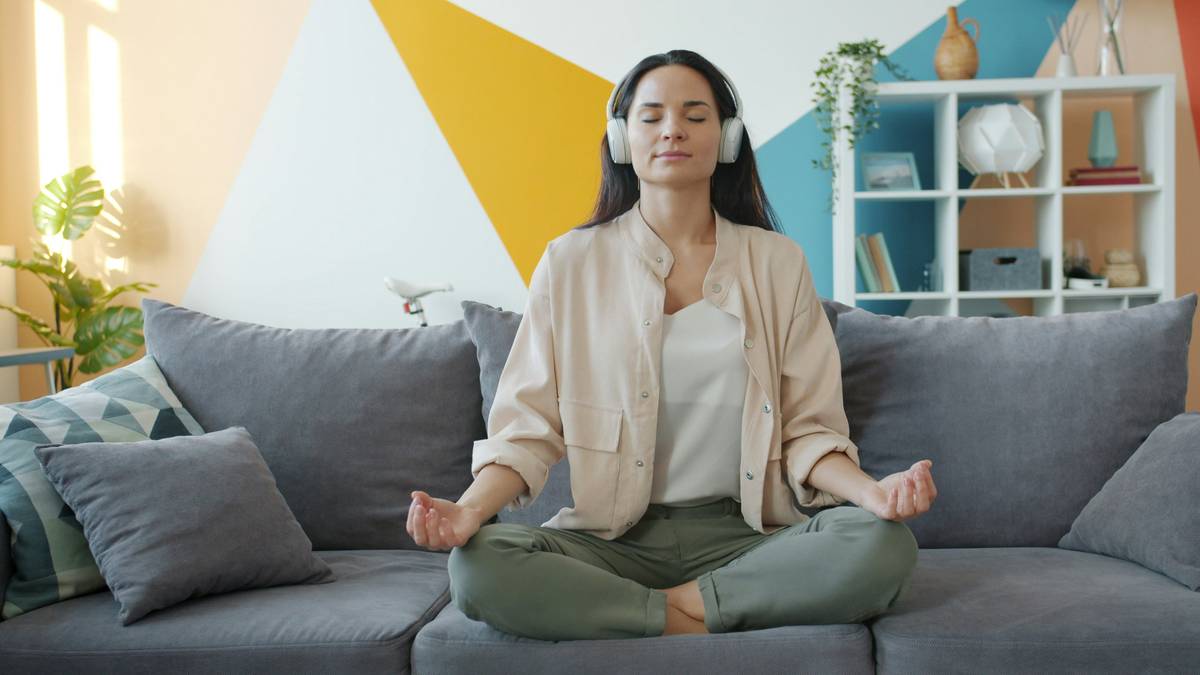
Choose a comfortable, quiet spot where you won’t be interrupted. Consider using soft lighting, cushions, and perhaps a blanket to create a cozy, welcoming atmosphere.
Step 3: Start with Short, Guided Sessions
Optimist You: “Begin with short, guided meditations to ease into the practice.”
Grumpy You: “Just don’t overwhelm yourself with hour-long sessions. Baby steps, please.”
Start with 5-10 minute sessions and gradually increase the duration as you feel more comfortable. The buddhify app offers a variety of short, guided meditations tailored for different needs and experiences.
Step 4: Be Mindful of Your Body and Breath
Optimist You: “Focus on your breath and body sensations.”
Grumpy You: “But hey, if you start feeling overwhelmed, take a break. No one’s judging you.”
Pay attention to your breath and any physical sensations without judgment. If you feel uncomfortable, it’s okay to stop and come back to it later.
Step 5: Reflect and Adjust
Optimist You: “After each session, reflect on what worked and what didn’t.”
Grumpy You: “And don’t beat yourself up if it wasn’t perfect. It’s a journey, not a race.”
Taking a few moments to reflect after each session can help you understand what works best for you and make adjustments as needed.
Tips and Best Practices for Trauma-Sensitive Meditation
- Listen to Your Body: Always prioritize your comfort and safety. If something doesn’t feel right, it’s okay to stop and try again later.
- Use Grounding Techniques: Incorporate grounding techniques like focusing on your senses, counting, or using a mantra to stay present and centered.
- Seek Professional Guidance: If you’re struggling with trauma, consider seeking support from a therapist or a professional who specializes in trauma-informed care.
- Be Consistent but Flexible: Try to meditate regularly, but be flexible with your practice. Some days may require shorter sessions or different types of meditations.
- Engage with Community: Join a community or group that supports trauma-sensitive meditation. Sharing your experiences and hearing others’ stories can be incredibly empowering.
Real-World Examples and Case Studies
Case Study 1: Sarah’s Journey
Sarah, a survivor of childhood trauma, found traditional meditation difficult and often triggering. After discovering the buddhify app, she started with short, guided sessions focused on grounding and self-compassion. Over time, she noticed a significant reduction in anxiety and an increased sense of emotional well-being. Her journey is a testament to the power of a trauma-sensitive approach.

Case Study 2: John’s Transformation
John, a veteran struggling with PTSD, initially found meditation challenging. With the help of the buddhify app, he began practicing mindfulness and breathing exercises specifically designed for trauma survivors. These practices helped him manage his symptoms and improve his overall quality of life. John’s story highlights the importance of tailored, trauma-sensitive meditation tools.
FAQs: Your Burning Questions Answered
Q: What is a trauma-sensitive buddhify tool?
A: A trauma-sensitive buddhify tool is a specialized meditation app that provides guided meditations, mindfulness exercises, and other resources specifically designed to support individuals who have experienced trauma. These tools are created with the understanding that traditional meditation methods may not be suitable for everyone and aim to create a safe and inclusive environment.
Q: How can I tell if a meditation app is trauma-sensitive?
A: Look for explicit mentions of “trauma-informed” or “trauma-sensitive” in the app’s description and features. Read reviews and testimonials from users who have experienced trauma to see if the app has been helpful and supportive for them.
Q: Can I use a trauma-sensitive buddhify tool even if I haven’t experienced trauma?
A: Absolutely! While these tools are specifically designed for those with trauma, anyone can benefit from the gentle, supportive, and mindful approach they offer. They can be a great way to deepen your meditation practice and enhance your overall well-being.
Conclusion: Wrapping It All Up
Embracing a trauma-sensitive buddhify tool can be a game-changer for anyone looking to incorporate meditation into their wellness routine, especially if they’ve experienced trauma. By choosing the right app, setting up a safe space, and following a step-by-step guide, you can create a more inclusive and supportive meditation practice. Remember, it’s a journey, and every step counts.
Like a Tamagotchi, your meditation practice needs daily care—and with the right tools, it can thrive. So, give it a try and see how a trauma-sensitive buddhify tool can transform your mindfulness journey.