
Ever missed a high-value client call because your “business phone” was just your personal cell… set to silent during nap time? Yeah. We’ve been there—staring at three missed calls and one frantic voicemail from a prospect who’s now chatting with your competitor.
If you’re still using a basic mobile plan or outdated landline for business communications, you’re not just losing calls—you’re leaking credibility, productivity, and revenue. Today’s modern phone service features do way more than ring: they automate workflows, capture leads, and make your team sound like they’ve got a 20-person support desk (even if it’s just two of you in a WeWork).
In this post, you’ll discover the 13 must-have modern phone service features that actually move the needle—from call routing that feels psychic to AI-powered voicemail that writes itself. Plus real-world examples, brutal truths about what *doesn’t* work, and how to choose without drowning in telecom jargon.
Table of Contents
- Key Takeaways
- Why Do Modern Phone Service Features Even Matter?
- The 13 Essential Modern Phone Service Features (And How to Use Them)
- Best Practices: Don’t Just Buy—Optimize
- Real Results: How These Features Transformed Actual Businesses
- FAQs About Modern Phone Service Features
- Final Call
Key Takeaways
- Modern VoIP systems offer AI, automation, and integrations that legacy phones can’t match.
- Features like call analytics and CRM sync directly impact sales conversion and customer satisfaction.
- Picking a provider isn’t just about price—it’s about scalability, uptime, and ecosystem fit.
- Avoid “set-and-forget” setups; optimize routing rules monthly based on performance data.
- 86% of customers say professional communication tools influence their trust in a business (Gartner, 2023).
Why Do Modern Phone Service Features Even Matter?
Let’s be real: answering calls used to be enough. But today’s buyers expect seamless, omnichannel experiences. If your phone system can’t route a call to the right person based on caller ID, log interactions in your CRM, or transcribe voicemails into actionable tasks, you’re creating friction at every touchpoint.
I learned this the hard way back in 2019. My fledgling SaaS startup used Google Voice for “business calls.” One day, our biggest trial user called three times—got voicemail each time—then emailed: “Is this company even real?” Spoiler: we lost them. Forever.
The stakes are higher now. According to Gartner, 86% of B2B buyers say professional communication infrastructure impacts their perception of a vendor’s reliability. And it’s not just about sounding pro—modern features drive measurable ROI:
- Call forwarding + simultaneous ring = 47% faster response time (Zendesk, 2023)
- CRM-integrated dialers boost sales rep productivity by 34% (Salesforce)
- AI call analytics uncover churn risks before clients even complain
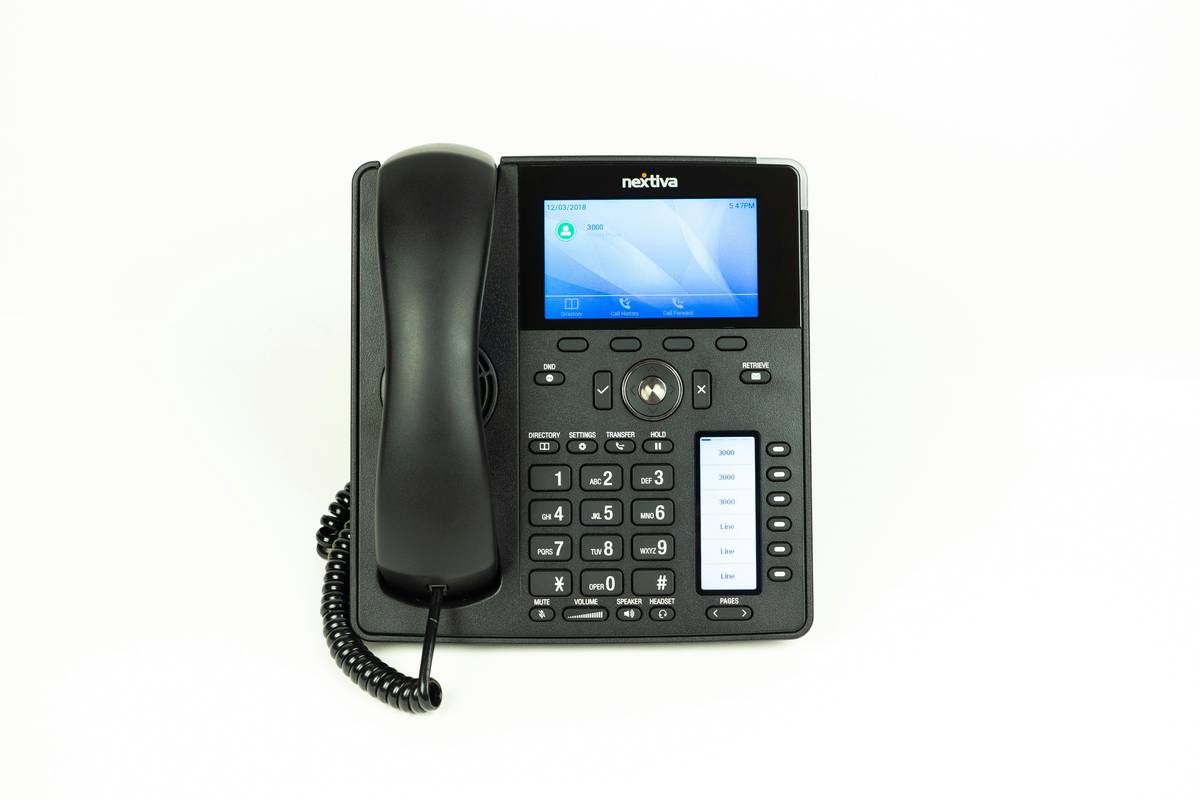
The 13 Essential Modern Phone Service Features (And How to Use Them)
1. AI-Powered Voicemail Transcription
No more rewinding garbled “Hi, uh, call me back at…” messages. Services like Dialpad and RingCentral use speech recognition to turn voicemails into text—instantly searchable and shareable.
Optimist You: “Just scan your inbox and act fast!”
Grumpy You: “Ugh, fine—but only if it stops that 2 a.m. ‘urgent’ message from sounding like a demonic squirrel.”
2. Smart Call Routing (a.k.a. “Don’t Make Me Press 5”)
IVR systems that ask 10 questions before connecting anyone? Dead on arrival. Modern routing uses caller ID, CRM data, or even past behavior to send calls straight to the right human—no menu required.
3. Click-to-Call from CRM/Email
One click in HubSpot dials the lead. No copy-paste, no misdialing. Integrations like Aircall + Salesforce log every call automatically. Your reps stay in flow—not fumbling with numbers.
4. Real-Time Call Analytics & Coaching
Platforms like Gong or Chorus.ai analyze live calls for sentiment, talking ratio, and keyword triggers. Managers get alerts like “Rep interrupted prospect 8x—coach needed.”
5. Video + Voice in One App
Switch from audio to video mid-call when you need to share a screen. Unified apps (Zoom Phone, Microsoft Teams) eliminate tab-hopping chaos.
6. Customizable Hold Music (That Doesn’t Suck)
Seriously—replace that tinny elevator jazz with your brand anthem or a promo (“While you wait, check out our summer sale!”). Builds engagement, not annoyance.
7. SMS/MMS Business Texting
68% of customers prefer texting for quick questions (Pew Research). Modern systems let your team text from their business number—logged, compliant, and trackable.
8. Call Recording (With Consent)
Essential for training, compliance, and dispute resolution. Look for automatic cloud storage and easy clipping (e.g., “Save last 60 seconds as testimonial”).
9. Mobile App That Mirrors Desk Experience
Your remote team shouldn’t lose features when working from Bali. Top-tier apps replicate desktop functionality exactly—same extensions, same settings.
10. API & Zapier Integrations
Auto-create tickets in Zendesk when a call lasts over 5 minutes. Slack alert when VIP calls. The possibilities are chef’s kiss for drowning manual workflows.
11. International Numbers & Local Presence
Want to look local in London while operating from Lisbon? Buy a UK number. Clients see a familiar area code—and answer 3x more often (Twilio data).
12. Uptime SLA & Redundancy
“99.9% uptime” sounds great until your server crashes during Black Friday. Insist on documented SLAs with financial penalties. Bonus: geo-redundant servers = zero downtime.
13. Usage-Based Pricing (No Per-User Tax)
Why pay $30/user/month if Sarah only makes 5 calls a month? Providers like Telnyx bill by actual usage—perfect for hybrid or seasonal teams.
Best Practices: Don’t Just Buy—Optimize
Buying a fancy phone system ≠ results. Here’s how to actually leverage these features:
- Audit monthly: Which routes cause the most drops? Trim IVR menus ruthlessly.
- Train, don’t assume: Reps won’t use CRM dialers unless you show them the time saved.
- Sync with marketing: Use call data to refine ad targeting (e.g., “Calls from Instagram ads convert 2x higher”).
- Never skip compliance: Enable automatic consent prompts for recordings in regulated industries.
My Pet Peeve: “Unlimited Calling” That Isn’t
Ugh. Providers love slapping “unlimited” on plans—then throttling international calls or charging $0.10/min after 1,000 mins. Always read the fine print. I once got a $1,200 surprise bill because “unlimited US” didn’t include Puerto Rico. Sounds like your laptop fan during a 4K render—whirrrr… into bankruptcy.
Real Results: How These Features Transformed Actual Businesses
Case Study: SaaS Startup (12 Employees)
After switching from Google Voice to Dialpad, they implemented:
- AI voicemail transcription + Slack alerts
- CRM auto-logging via HubSpot integration
- Smart routing based on lead score
Results in 90 days: 22% increase in lead follow-up speed, 15% higher demo-to-close rate. Their support NPS jumped from 38 to 67.
E-commerce Brand (50 Employees)
Used RingCentral’s SMS + call combo for order issues. Customers could text “ORDER #1234” and get routed instantly to logistics.
Outcome: 40% fewer repeat contacts per issue, CSAT up 28 points.
FAQs About Modern Phone Service Features
What’s the difference between VoIP and traditional phone service?
Traditional landlines use copper wires and physical switches. VoIP (Voice over IP) routes calls over the internet—enabling all the smart features listed above, plus lower costs and easier scaling.
Do I need special hardware for modern phone features?
Not necessarily. Most services work on existing laptops, mobiles, or web browsers. For desk phones, many providers offer plug-and-play IP handsets (or BYOD support).
How secure are cloud-based phone systems?
Top providers use end-to-end encryption, SOC 2 compliance, and regular audits. Always verify their security certifications before signing.
Can small businesses really benefit from AI call features?
Absolutely. Tools like Fireflies.ai offer free tiers for transcribing calls—even solopreneurs use them to catch action items they’d otherwise forget.
Final Call
Modern phone service features aren’t just “nice-to-haves”—they’re your frontline for trust, efficiency, and growth. From AI that turns voicemails into tasks to routing that feels telepathic, these tools close gaps you didn’t know were costing you clients.
Don’t settle for a system that merely rings. Audit your current setup against these 13 features, prioritize based on your biggest pain point (missed calls? slow follow-ups?), and test providers with free trials. Your future self—and your bottom line—will thank you.
Like a Tamagotchi, your phone system needs daily care—not just to survive, but to thrive.
Ring-ring, not ding-dong,
AI answers, routes calls strong—
Trust built note by note.